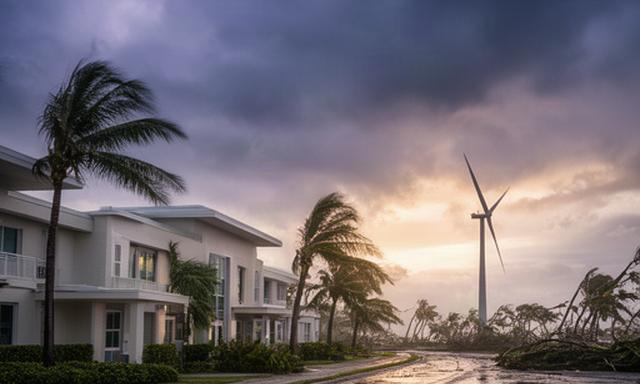
Miami-Dade nursing home
Five days of continuous care
A wind plus storage microgrid kept resident rooms, refrigeration, and clinical equipment powered after Hurricane Dorian.
120 hours
continuous backup during the outage
When lives depend on power, don't rely on diesel generators that can fail. H.R. Current engineers wind plus battery storage systems for hospitals, clinics, and emergency centres facing hurricanes and extended outages.
Fuel deliveries can be delayed by flooding, traffic, and storm damage. A wind plus storage system keeps critical circuits supplied while the turbine replenishes the battery bank.
| Operating factor | Wind + storage | Diesel generator |
|---|---|---|
| Energy source | Wind generation with stored power | On-site fuel supply |
| Runtime during a long outage | Replenishes as wind is available | Limited by fuel reserves |
| Transfer to critical loads | Instant battery response | Engine start-up delay |
| Maintenance and logistics | Remote testing and monitoring | Fuel, servicing, and delivery planning |
| Noise and emissions | Quiet stored-power operation | Combustion noise and exhaust |
Critical facilities need documented performance, clear testing records, and a design that fits the electrical system already in place.
Support for Level 1 emergency power supply systems with rapid transfer requirements.
Design work addresses AHCA expectations and Florida Building Code Chapter 27 requirements.
Remote monitoring supports weekly and monthly exercise records for facility teams.
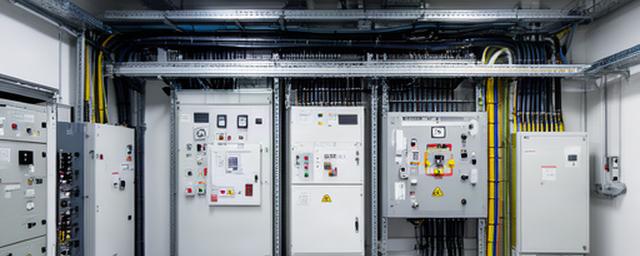
The system can connect with existing generator transfer switches and critical-load panels.
Each facility has different loads, staffing, and storm exposure. These examples show what continuity looks like when the system is sized around patient care.
A wind plus storage microgrid kept resident rooms, refrigeration, and clinical equipment powered after Hurricane Dorian.
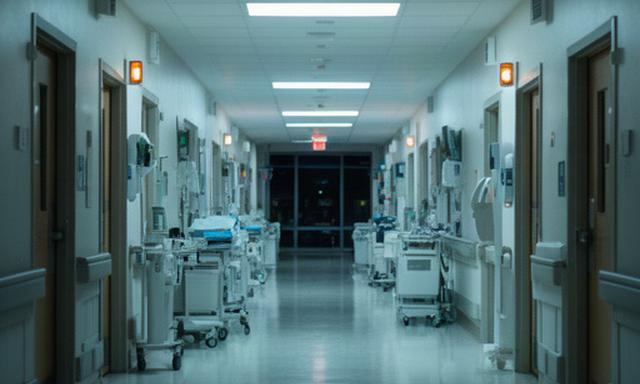
Battery power carried the critical circuits through the transfer event while the turbine continued charging the system.
"We didn't even notice the grid went down."
The control system changes the power path in seconds. Critical loads stay isolated, monitored, and supplied.
The grid and turbine can charge the battery while the facility runs normally.
The battery feeds critical circuits immediately, avoiding a generator start-up gap.
The turbine keeps generating in suitable high winds and replenishes stored power.
H.R. Current offers fast-track design for facilities in high-risk flood zones. Our emergency power team will review your critical loads, transfer equipment, and outage plan.